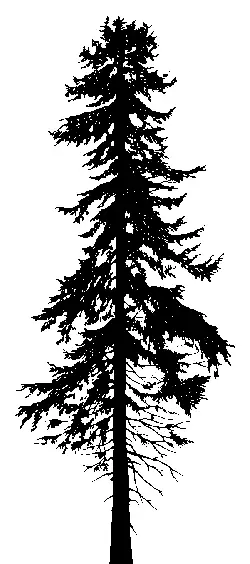
Douglas Fir
Pseudotsuga menziesii
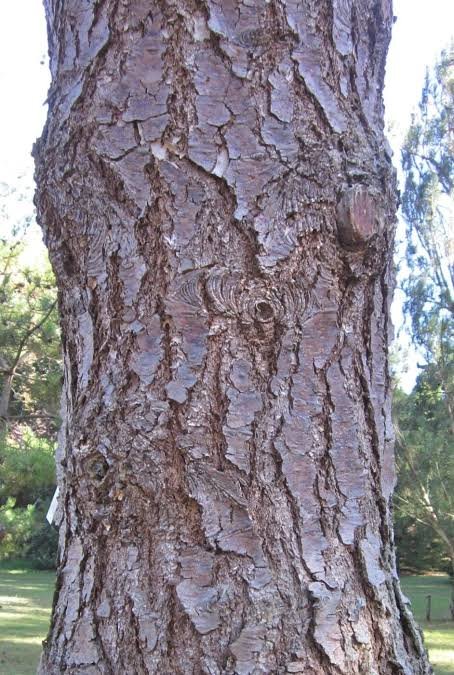
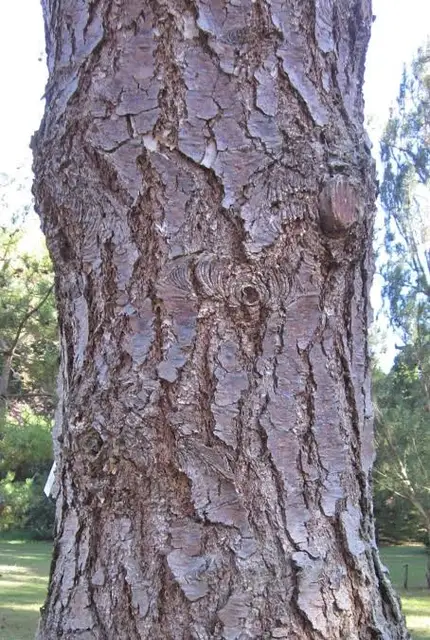
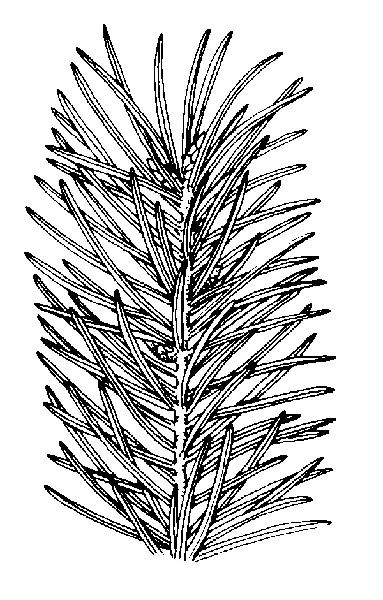
Not a true fir at all — Douglas fir belongs to its own genus, named for Scottish botanist David Douglas. Its bark grows dark, thick, and deeply furrowed with age, and it forms the backbone of the region's timber economy, valued as one of the world's most important sources of lumber.
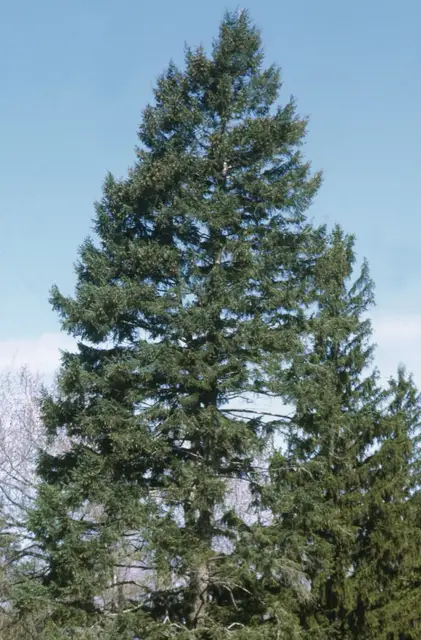
Where found
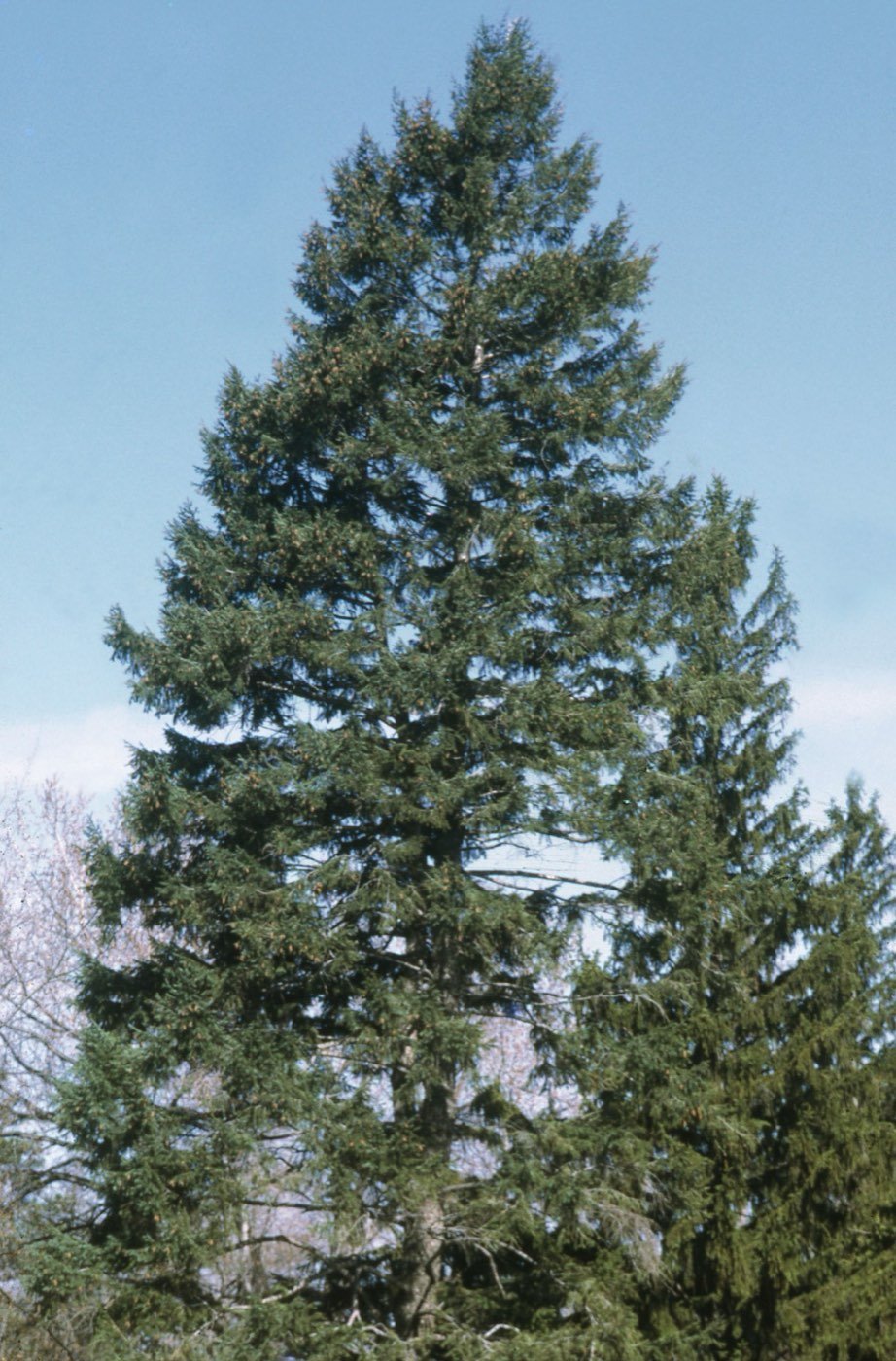
Widespread west-side conifer forests from sea level to mid-elevation slopes across Oregon and Washington; the dominant tree of PNW lowland forestry.
Fun facts
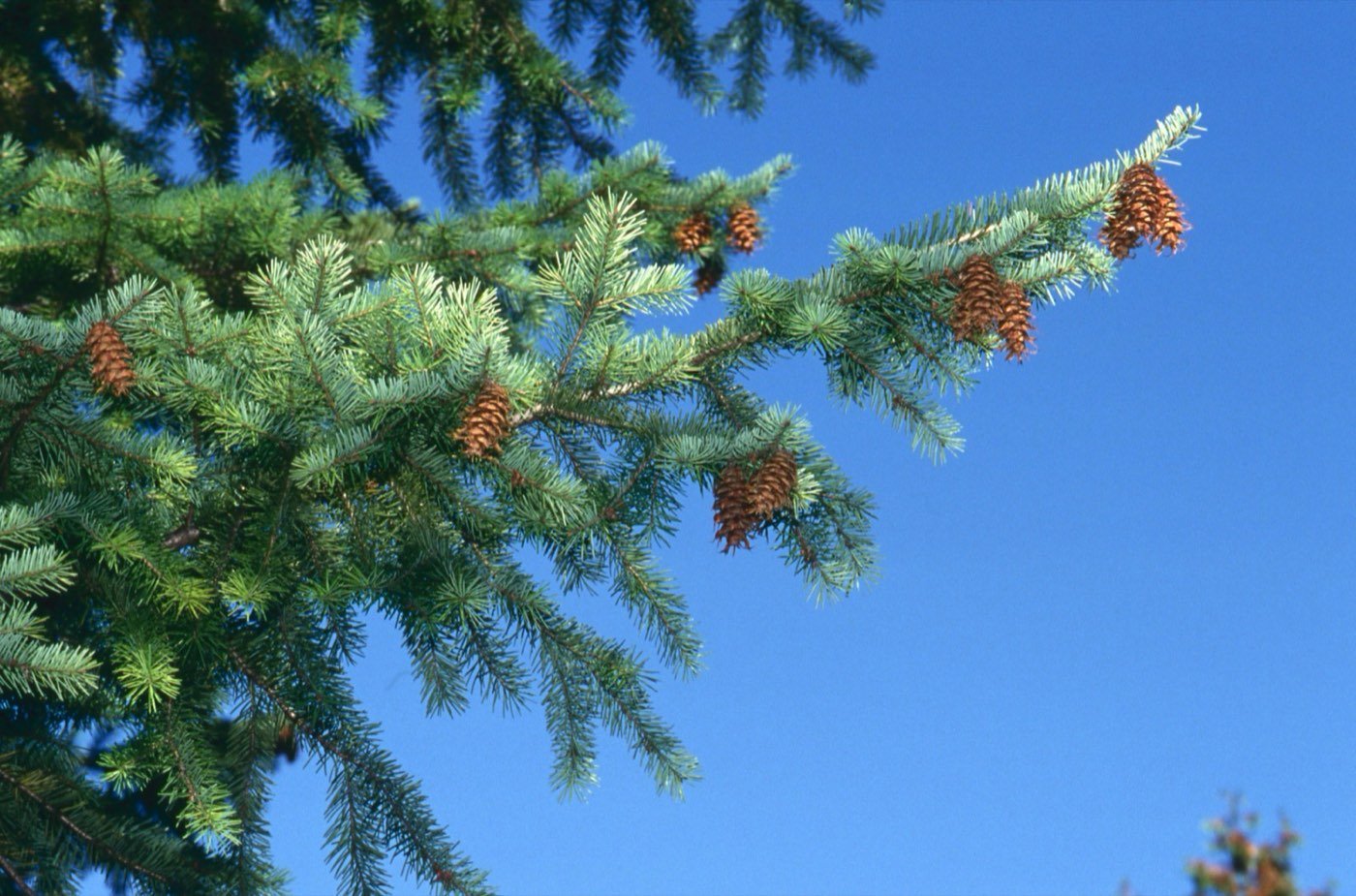
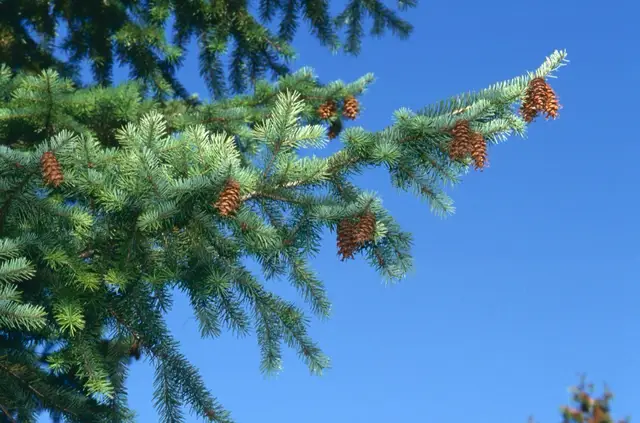
- The cone's bracts stick out like tiny mouse tails — legend says mice were hiding when the forest caught fire.
- Several Pacific Northwest tribes brewed the needles into a tea and used the pitch and bark medicinally.
- Winged seeds are a winter staple for squirrels, tree mice, and woodrats; deer and elk browse the foliage.
Specs
| Height | up to 67 m (220 ft) |
|---|---|
| Spread | to 4.4 m |
| Lifespan | 500–1,000+ yrs |
| Growth Rate | Fast when young |
| Sun | Full sun to part shade |
| Native Range | British Columbia to central California, east to the Rockies |